Car Jerks When Accelerating
If your car jerks when accelerating, especially during gear changes, that’s not “just how automatics feel.” It’s your car telling you something isn’t right. I’ve worked on enough vehicles to say this clearly: jerking is never normal behavior. It’s a symptom. Sometimes minor. Sometimes the start of a much bigger problem.
Most drivers feel it, then ignore it. The car still moves, so they keep driving. That’s how small issues turn into expensive ones.
Let’s walk through this the way I’d explain it to a friend standing next to me in the workshop.
Why This Problem Matters
Jerking during acceleration usually means the drivetrain is struggling to deliver power smoothly. That struggle creates stress. Stress creates heat, wear, and damage.
If the cause is caught early, the fix can be simple. If it’s ignored, you’re looking at repairs that cost far more than the car owner expects.
This article focuses on the real causes behind Car Jerks When Shifting Gears Automatic, not guesses or generic advice.
Why Cars Jerk When Accelerating
Automatic Transmission Behavior Under Load
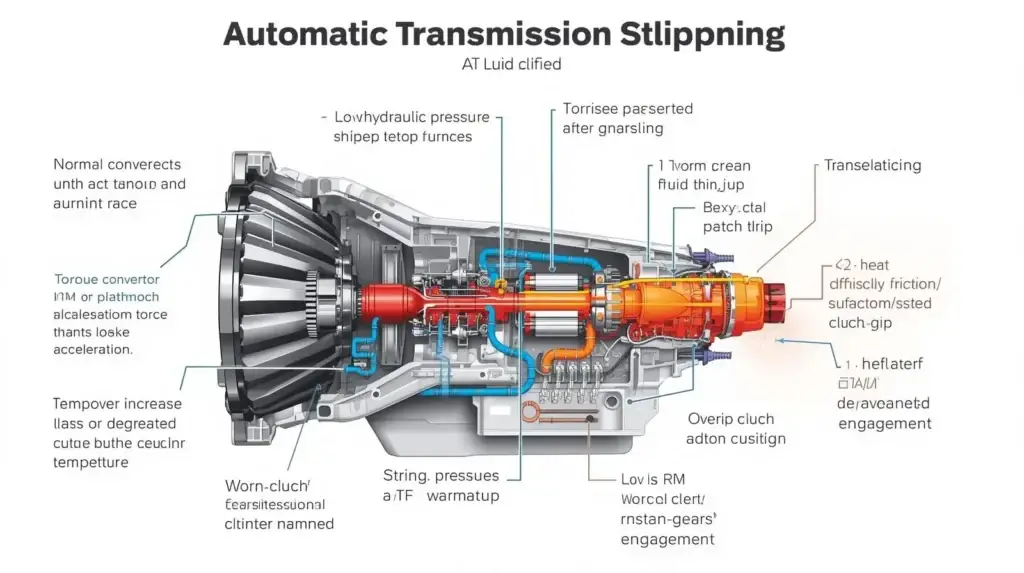
An automatic transmission relies on hydraulic pressure, sensors, and friction components working together. When something interrupts that balance, you feel it as a jerk or shock.
Here are the real mechanical reasons.
Low or Degraded Transmission Fluid
This is at the top of the list.
Low fluid causes delayed clutch engagement. Old fluid loses friction and pressure control. Both result in a hard gear shift automatic, especially when accelerating from low speeds.
Worn Clutch Packs Inside the Transmission
Clutches inside the transmission are designed to engage smoothly. When worn, they grab unevenly. That sudden grab feels like a jolt.
This is a classic transmission jerking problem during upshifts.
Faulty Solenoids or Valve Body Issues
Shift solenoids control when and how gears change. If one sticks or reacts slowly, the shift timing goes off. Pressure spikes instead of building smoothly.
That spike creates what many drivers describe as AT gear shift shock.
Engine-Related Causes That Feel Like Transmission Problems
Not all jerks come from the transmission.
- Misfiring spark plugs
- Dirty fuel injectors
- Throttle body issues
When engine power delivery isn’t smooth, the transmission reacts harshly.
Common Symptoms People Ignore
These are the early signs I hear drivers describe all the time.
- Sudden jolt when shifting from 1st to 2nd
- Jerking only during light acceleration
- Smooth driving at highway speed, rough in city traffic
- Slight delay, then a hard shift
People dismiss these as “old car behavior.” That’s a mistake.
Early Warning Signs Before It Gets Worse
Subtle Changes in Driving Feel
- Gear changes feel less predictable
- Downshifts feel aggressive
- Car lurches when slowing and re-accelerating
Heat-Related Behavior
If the car drives fine when cold but jerks once warm, pressure control or fluid breakdown is often involved.
That’s not something that fixes itself.
Safe Diagnostic Steps You Can Do
You don’t need to tear anything apart to start diagnosing.
Step 1: Check Transmission Fluid Properly
Warm the vehicle fully. Follow the correct procedure for your model. Some automatics require the engine running.
Look for:
- Correct level
- Clean red or light brown color
- No burnt smell
Burnt fluid almost always explains harsh shifting.
Step 2: Notice Exactly When the Jerking Happens
- Only during upshifts?
- Only when accelerating lightly?
- Only after warm-up?
The timing tells you more than you think.
Step 3: Scan for Stored Fault Codes
Even without a warning light, fault history matters. Solenoid and pressure control codes are common in Car Jerks When Shifting Gears Automatic cases.
Cost Implications: Cheap Fixes vs Expensive Mistakes
This is where decisions matter.
Lower-Cost Fixes
- Transmission fluid and filter service
- Minor sensor replacement
- Ignition or fuel system maintenance
These are manageable if done early.
High-Cost Repairs
- Valve body replacement
- Internal clutch pack wear
- Full transmission rebuild
Most rebuilds start with ignored jerking symptoms.
What Actually Fixes the Problem
No shortcuts here.
What Works
- Correct fluid type and level
- Replacing faulty solenoids
- Addressing engine misfires immediately
- Proper transmission calibration where applicable
What Doesn’t
- Additives claiming to “smooth shifts”
- Overfilling transmission fluid
- Resetting codes without repairs
If it jerks, something is mechanically wrong.
How to Prevent Jerking Long-Term
- Change transmission fluid earlier than “lifetime” claims
- Fix engine issues immediately
- Avoid aggressive throttle when cold
- Pay attention to small behavior changes
Smooth driving depends on maintenance, not luck.
When Professional Help Is Necessary
Get professional diagnosis if:
- Jerking is consistent or worsening
- The car feels unsafe in traffic
- Warning lights appear
- Fluid smells burnt
Driving a jerking car daily accelerates wear fast.
FAQ
Short-term, maybe. Long-term, no. Jerking increases internal wear and heat.
Yes. Low or degraded fluid is one of the most common causes of hard gear shift automatic behavior.
No. Many cases are fluid, solenoid, or engine-related. Early diagnosis matters.
Final Thoughts
Here’s the truth. When a car jerks during acceleration, it’s not being dramatic. It’s reacting to a real mechanical issue. Sometimes small. Sometimes serious.
If you notice Car Jerks When Shifting Gears Automatic, don’t ignore it and hope it goes away. Pay attention to when it happens, check the basics, and act early.
That’s how you keep a minor problem from turning into a major repair.
Click here to learn about automatic transmission slipping when accelerating.